
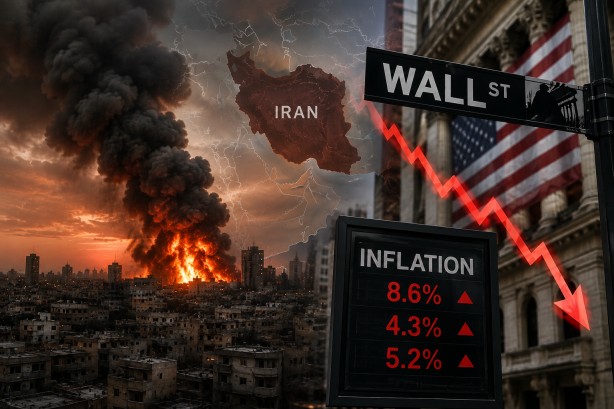
The ongoing conflict in Iran is exerting fresh inflationary pressure on the United States by driving up energy costs and disrupting global supply chains, sparking concerns that the Federal Reserve may face challenges in maintaining Wall Street’s robust stock-market rally. A significant factor contributing to this economic strain is the disruption occurring around the Strait of Hormuz, a vital artery for global energy transport. This has led to a reduction in oil flows, pushing crude prices higher and subsequently elevating gasoline and diesel costs for American consumers, thereby intensifying overall inflation.
While oil prices have recently eased amid growing hopes for negotiation, other inflationary pressures persist. Increased transportation costs, disrupted supply chains, and rising prices for products derived from petroleum continue to contribute to the escalating cost of goods and services. The conflict’s ripple effects extend to agriculture and technology sectors as well. Disruptions in fertilizer supply could drive up food-production costs, and helium shortages, critical for semiconductor manufacturing, might inflate costs within the chip industry.
The Federal Reserve is particularly concerned about the persistently high core inflation, which remains elevated even as energy prices decline. This ongoing inflation could limit the central bank’s ability to reduce interest rates, and there is a potential for tighter monetary policy if these price pressures do not subside. Elevated interest rates could present additional challenges, especially for sectors like technology and artificial intelligence (AI), where companies are heavily investing in data centers, chips, and related infrastructure. More expensive borrowing could hinder investment growth and exert pressure on AI stocks, which have been major contributors to the US stock-market rally.
For investors, the crucial issue is whether the inflation driven by the conflict is temporary or if it will permeate the broader economy. Should supply disruptions persist and core inflation remain high, the potential for higher interest rates may create a tougher environment for Wall Street, potentially jeopardizing the momentum of the current bull market. As AI-related companies play a pivotal role in driving the stock-market rally, any slowdown in AI investment or decline in high-growth technology valuations could have a significant impact on major indexes.