
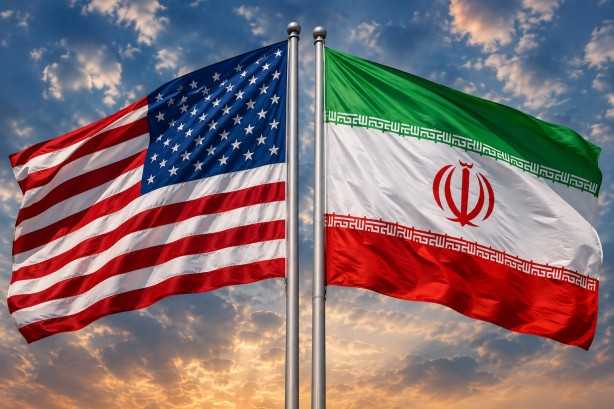
In a significant escalation of tensions, the United States conducted a second wave of airstrikes targeting various sites in Iran, shortly after President Donald Trump announced the cessation of efforts to uphold an interim agreement between the two nations. The strikes were aimed at locations tied to Iran’s capacity to threaten maritime security in the vital Strait of Hormuz, as confirmed by the US military. Iranian media reported explosions in key regions such as Bandar Abbas, Sirik, and Bushehr province, marking a sharp increase in hostilities.
The airstrikes were a direct response to an incident earlier in the week where three commercial vessels were attacked while transiting the Strait of Hormuz. This event further strained relations between Washington and Tehran, prompting the US to revoke a temporary sanctions waiver that had permitted Iran to export oil. President Trump underscored that the military actions were retaliatory and cautioned that any additional provocations by Iran would elicit a stronger response from the United States.
In retaliation, Iran launched missiles and deployed drones targeting US military assets in the Gulf region, including locations in Bahrain and Kuwait. The Kuwaiti military reported successfully intercepting these aerial threats, and there were no immediate accounts of significant damage resulting from the strikes. Despite the escalating military exchanges, Iranian officials indicated that the strikes on Bushehr province did not compromise the nuclear power plant located there. They reiterated their stance of resilience, asserting that external pressure and military interventions would not alter Iran’s position.
The unfolding conflict has sparked global concerns over energy stability, as the Strait of Hormuz is a crucial artery for the world’s oil supply. The heightened instability has led to a marked increase in oil prices, reflecting investor anxiety about the potential disruptions to this vital shipping route. The situation underscores the precarious balance of power in the region and the broader implications for international energy markets.