
In ongoing efforts to ease tensions, the United States and Iran are engaged in negotiations aimed at reaching an agreement, though significant obstacles remain despite some advancements. The discussions are primarily focused on crafting a preliminary memorandum of understanding to address immediate concerns, particularly the reopening of the Strait of Hormuz, a vital passage for global energy supplies. While these talks show promise, more intricate issues such as Iran’s nuclear ambitions are expected to be tackled in future negotiations.
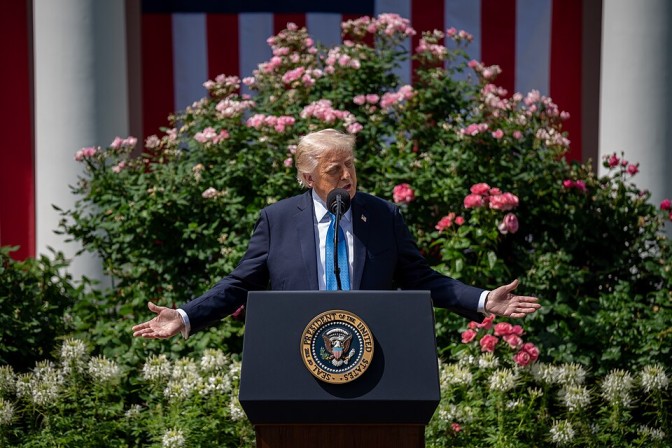
U.S. President Donald Trump’s approach has been a mix of caution and optimism, oscillating between warnings of potential military action and hopes for a diplomatic resolution. This dual stance has introduced uncertainty into global markets, but recent indications that a peace agreement might be within reach have contributed to a decline in oil prices and a reduction in investor anxiety.
Key challenges in the negotiations include the matter of economic relief. Iran is advocating for access to a portion of its frozen international assets as a precursor to enacting substantial commitments. In contrast, the U.S. favors linking sanctions relief and financial incentives to tangible progress as part of any agreement. Similarly, diverging views persist regarding nuclear limitations, with Washington seeking more stringent commitments on uranium enrichment and oversight, whereas Tehran desires more general terms, deferring detailed negotiations for later stages.
Despite these hurdles, there is acknowledgment from officials on both sides that progress has been made, and a diplomatic solution remains attainable. Analysts suggest that both the U.S. and Iranian governments are under increasing pressure to avoid further military escalation, aiming for an agreement that could bring stability to the region.
As negotiators strive to establish a framework that could lead to a more extensive accord in the future, issues of regional security, energy exports, and economic recovery continue to be pivotal. The potential for a deal that addresses these core concerns remains a significant focus amid ongoing dialogues.