
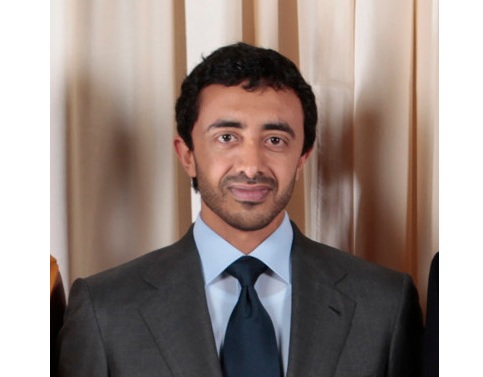
The UAE’s Deputy Prime Minister and Minister of Foreign Affairs, Sheikh Abdullah bin Zayed, has sharply criticized Iran for its missile and drone attacks on Kuwait, labeling them as acts of terrorism. This stance was conveyed during a phone call with Kuwaiti Foreign Minister Sheikh Jarrah Jaber Al Sabah, where the two leaders delved into discussions about the recent regional developments and the security implications following these assaults.
In response to the attacks, Kuwaiti officials have confirmed that their air defense systems successfully intercepted the incoming missiles and drones, assuring the public that the explosions heard were due to these defensive measures. Sheikh Abdullah reiterated the UAE’s unwavering support for Kuwait, emphasizing the importance of unity in the Gulf region. He stressed that Kuwait’s security is intrinsically linked to that of the UAE, highlighting the regional solidarity against such threats.
This incident arises amidst ongoing diplomatic negotiations between the United States and Iran, with US officials reporting progress, although any formal agreement is still pending finalization. The diplomatic dialogue aims to ease tensions, yet challenges persist, particularly concerning maritime security in the critical Strait of Hormuz.
Tensions have been further fueled by Iran’s criticism of recent US statements regarding shipping actions in the strategic waterway. Iran has denounced these remarks as unlawful and in violation of international norms, indicating a continued friction between the two nations over the vital maritime corridor.
The UAE’s vocal support for Kuwait in the wake of these attacks highlights the broader regional apprehensions about security and stability. As diplomatic efforts proceed, this incident underscores the delicate balance between pursuing dialogue and managing military tensions in a region fraught with geopolitical complexities.